 Fate & Stars
Major Arcana tarot card meanings
The 22 Major Arcana offer images for broad experiences such as beginning, choice, change and completion. They can help frame a question without establishing that an event is destined or beyond your control.
What are the Major Arcana?
In the Rider–Waite–Smith deck, this group runs from the Fool, numbered 0, through the World, numbered XXI. The scenes are not organized into the four suits used by the Minor Arcana. A card’s number, picture, position and your question can all contribute to a reading.
Some readers describe the sequence as a symbolic journey. That is one interpretive approach, not a requirement to fit every person’s life into the same progression.
All 22 Major Arcana cards
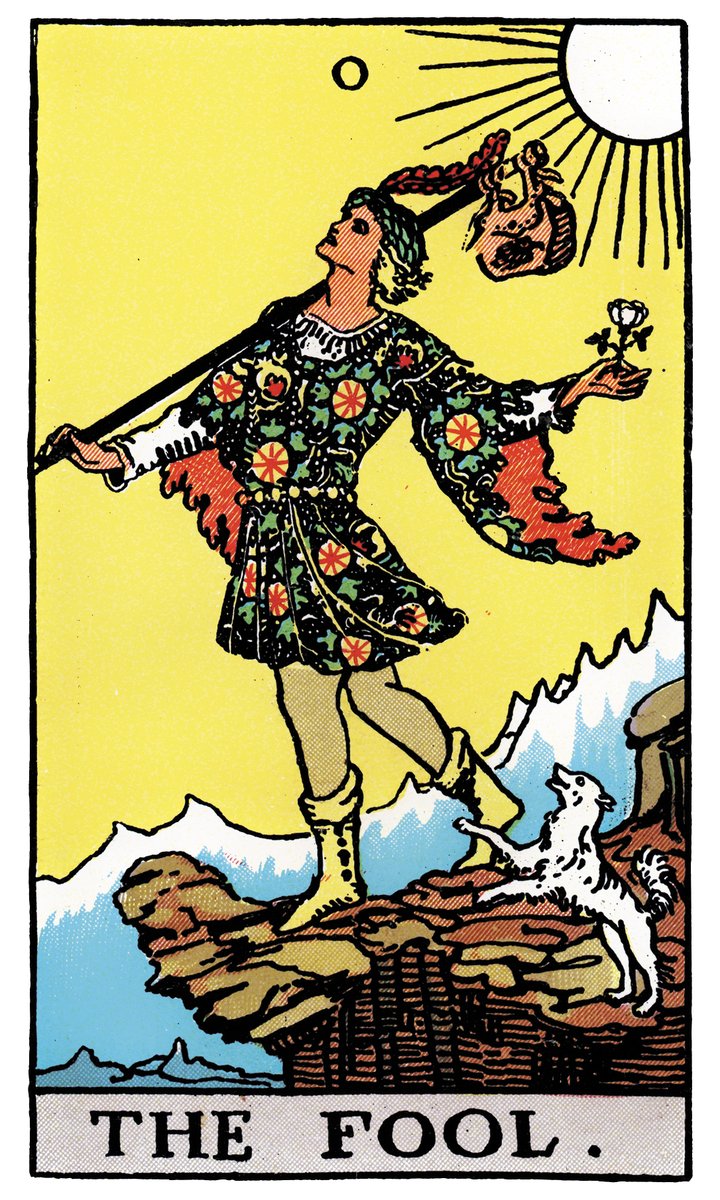
The Fool
beginnings, openness, a leap of faith
Upright, reversed and contextual meaning →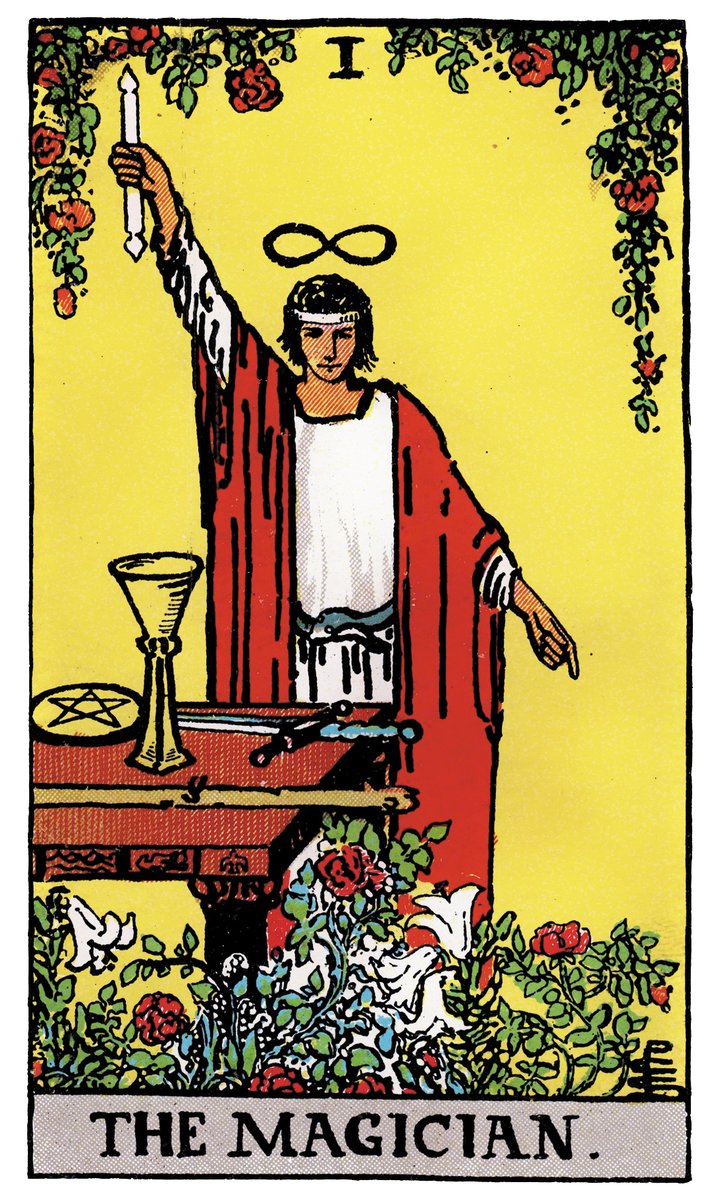
The Magician
initiative, resourcefulness, turning intention into action
Upright, reversed and contextual meaning →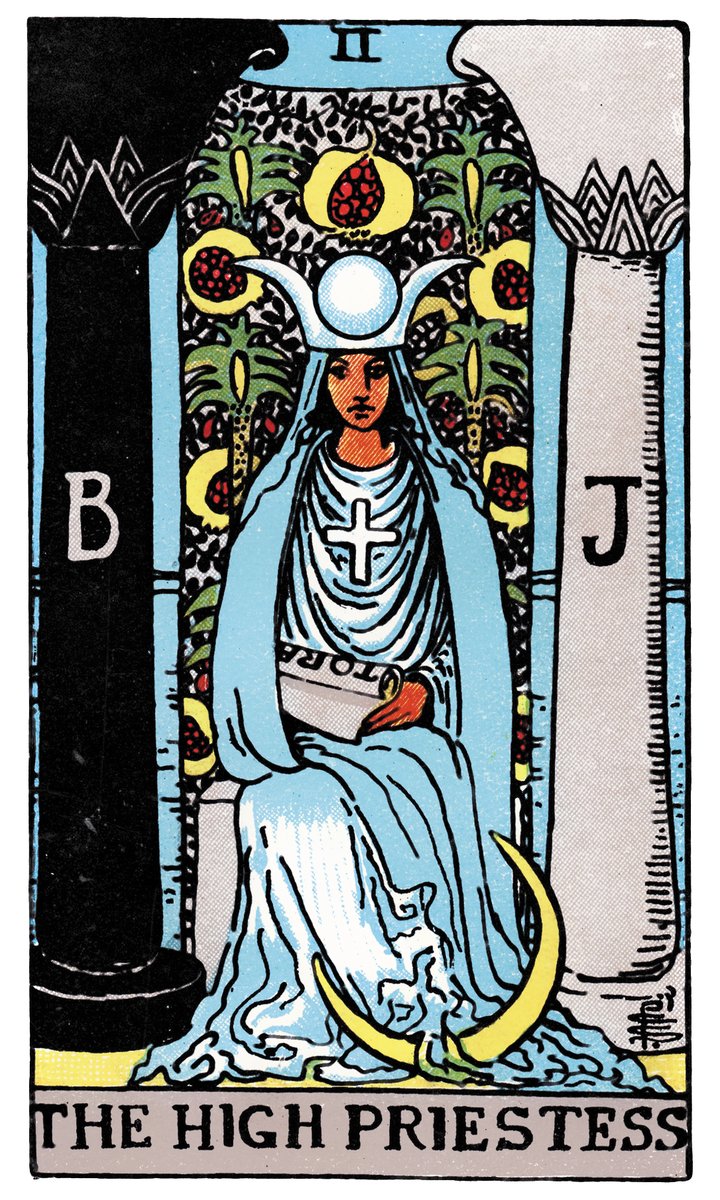
The High Priestess
intuition, mystery, listening before acting
Upright, reversed and contextual meaning →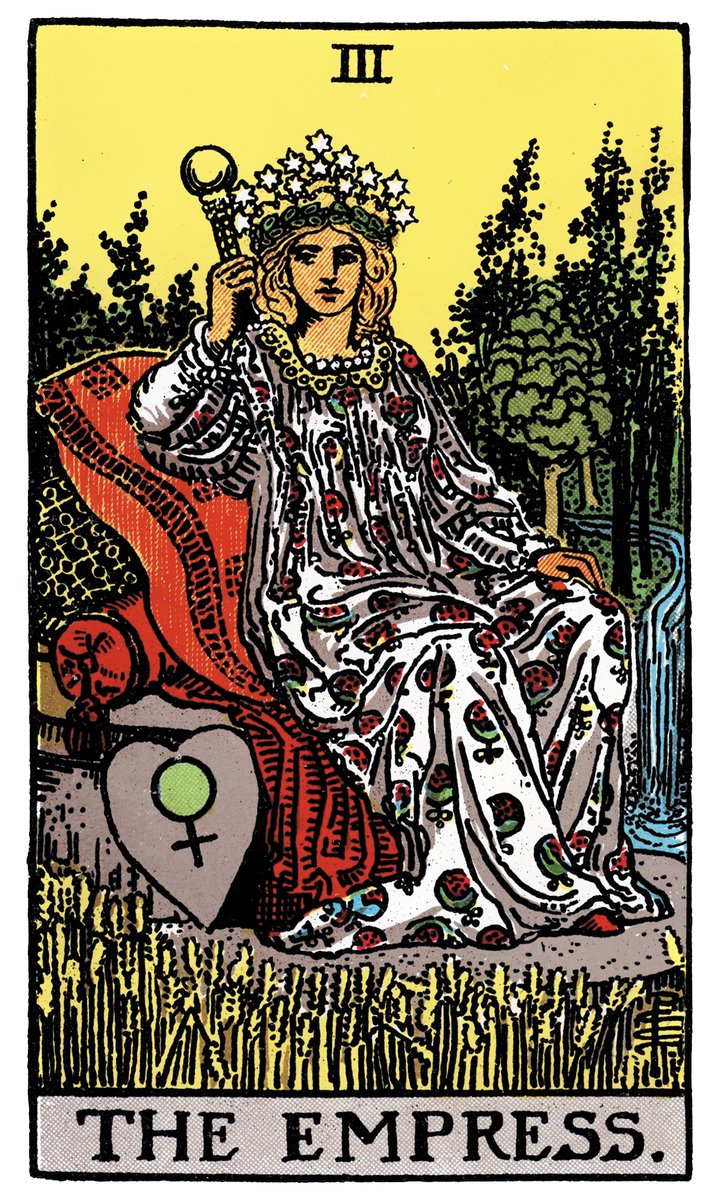
The Empress
nurturing, creativity, abundance
Upright, reversed and contextual meaning →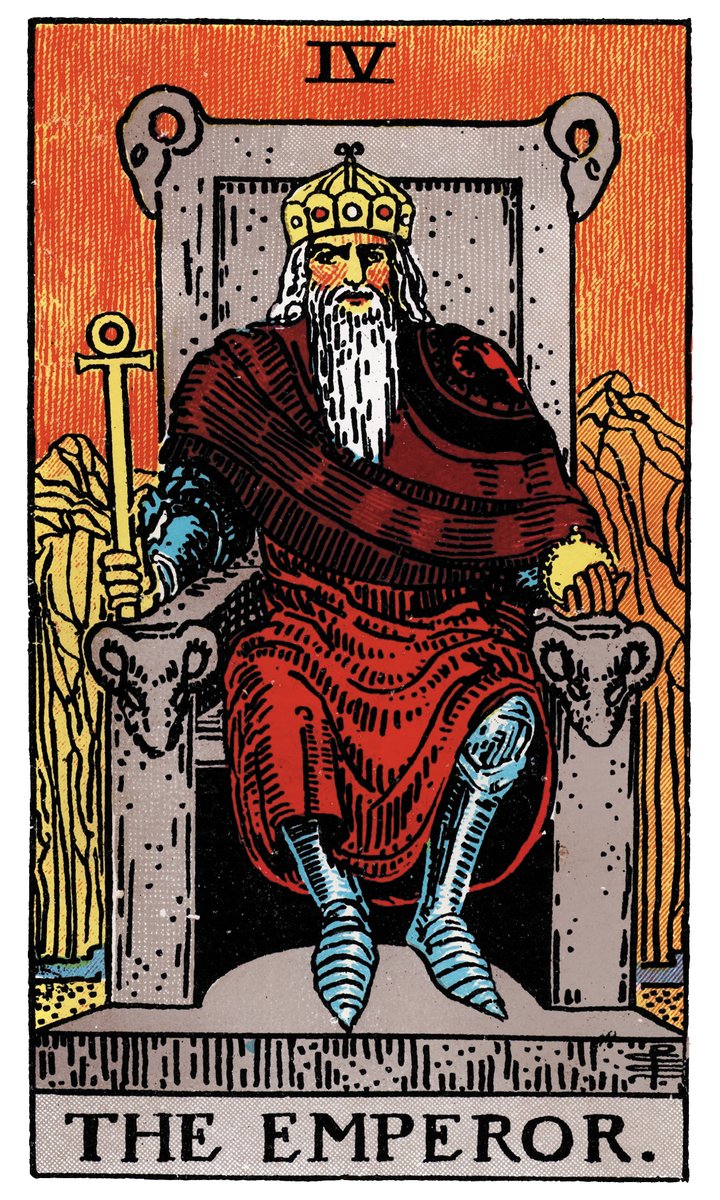
The Emperor
structure, boundaries, responsible leadership
Upright, reversed and contextual meaning →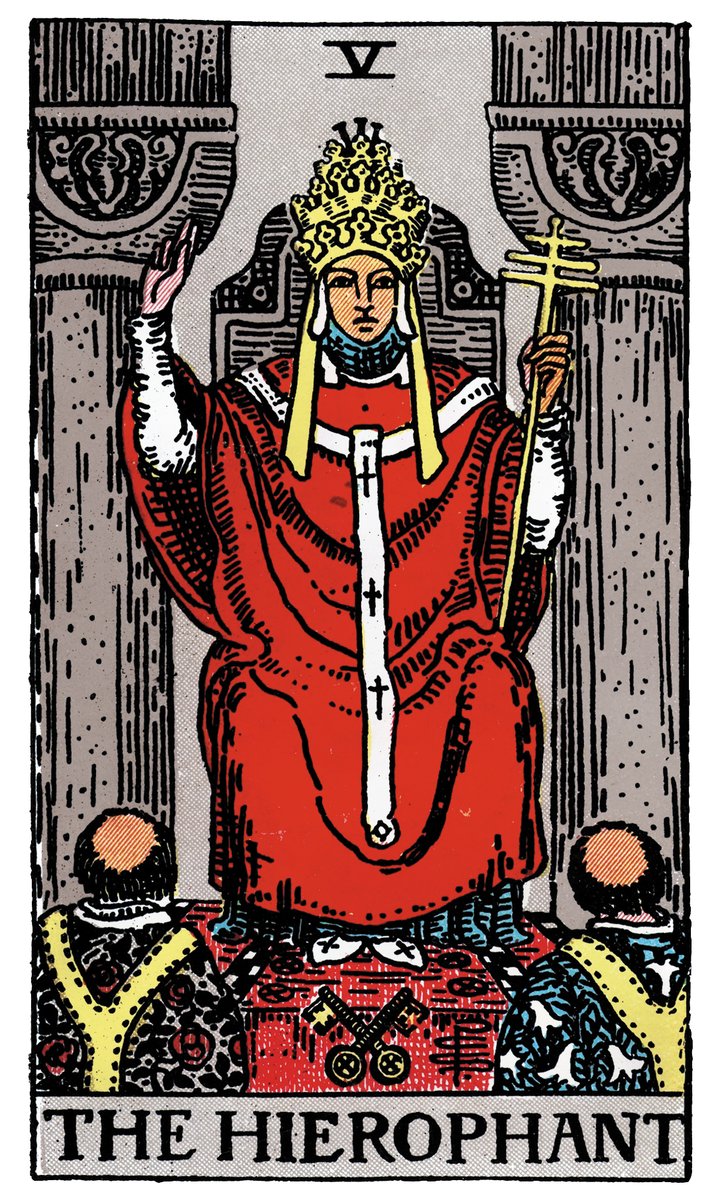
The Hierophant
tradition, learning, shared values
Upright, reversed and contextual meaning →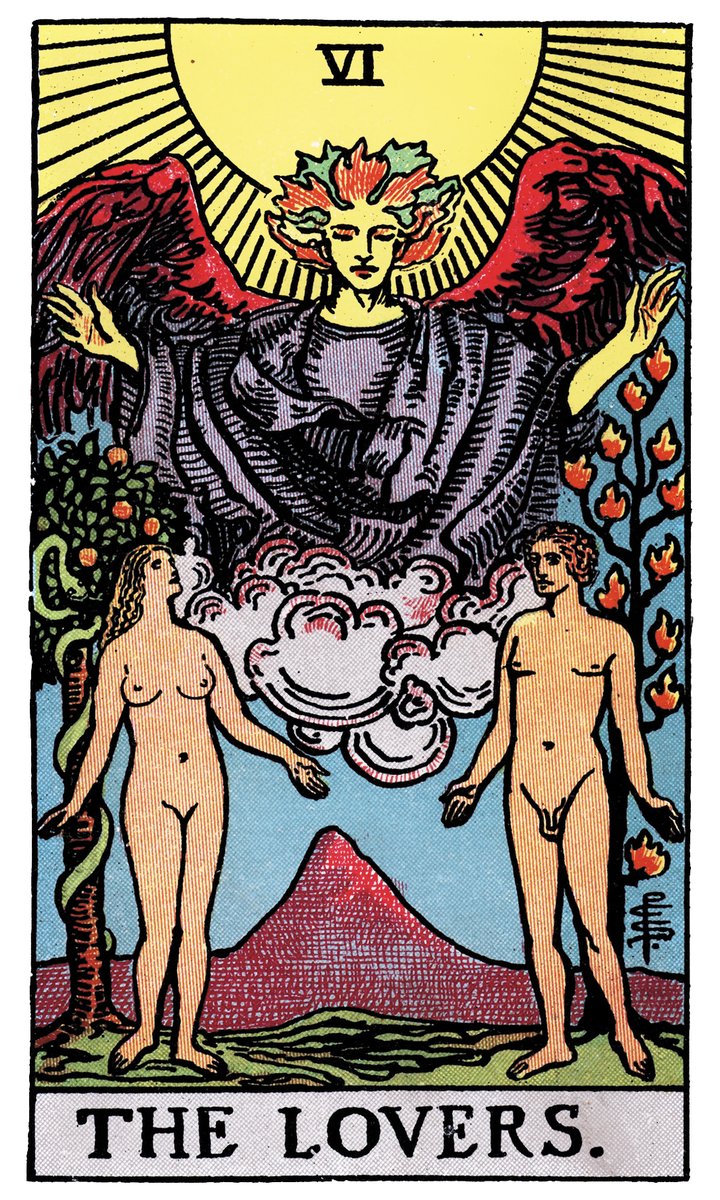
The Lovers
alignment, relationship, a values-based choice
Upright, reversed and contextual meaning →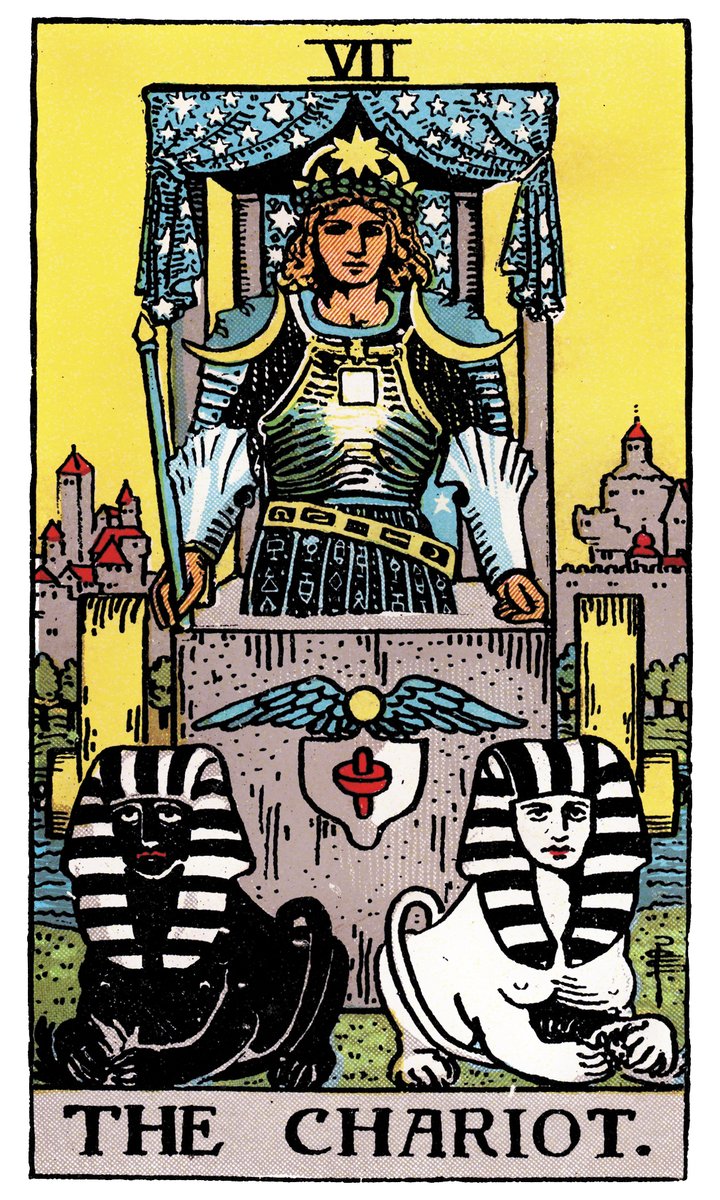
The Chariot
determination, direction, disciplined progress
Upright, reversed and contextual meaning →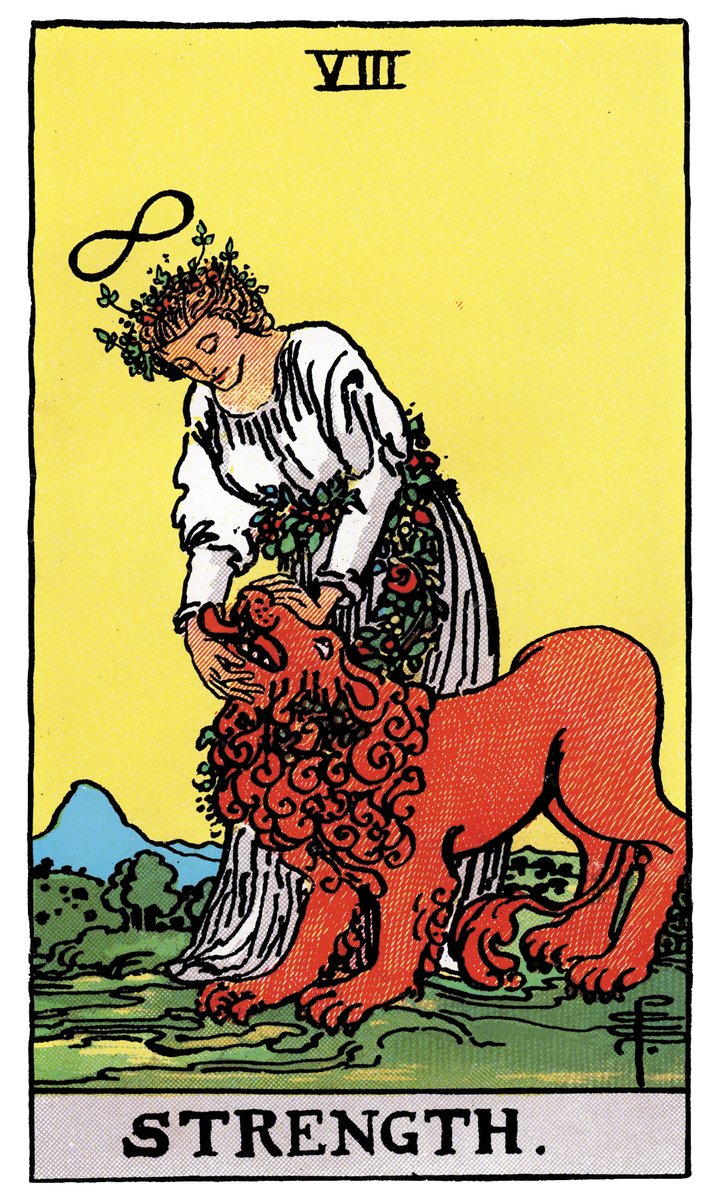
Strength
courage, patience, compassionate self-control
Upright, reversed and contextual meaning →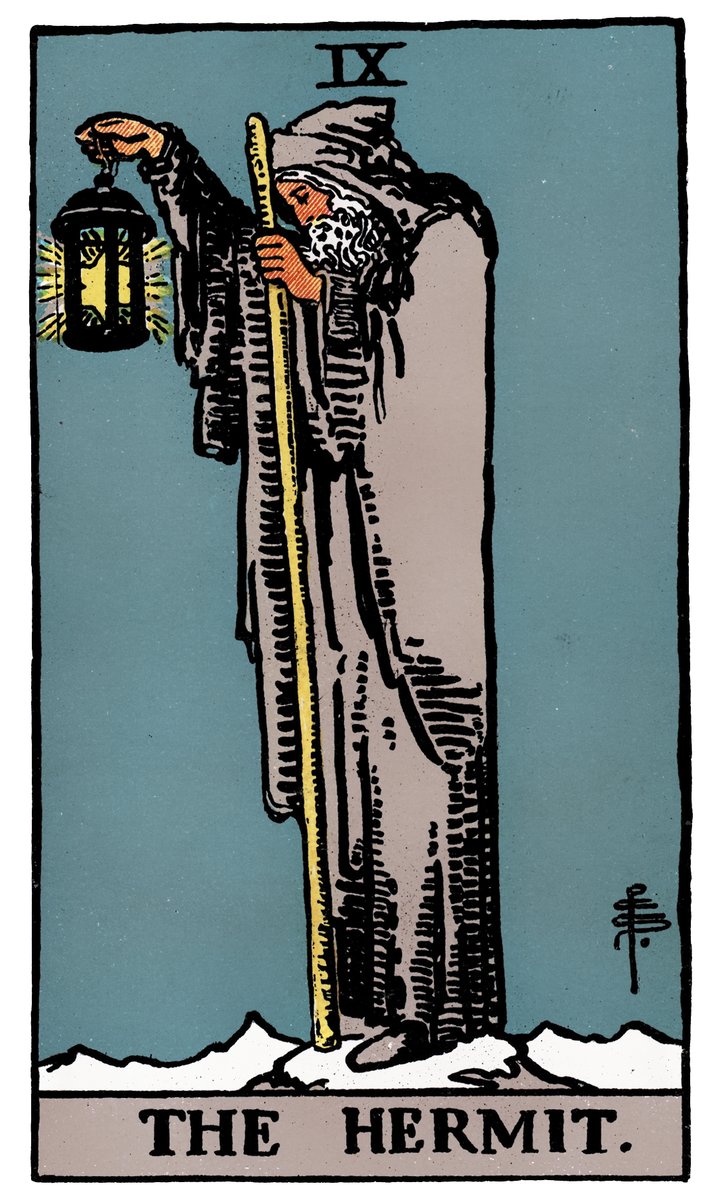
The Hermit
reflection, solitude, inner guidance
Upright, reversed and contextual meaning →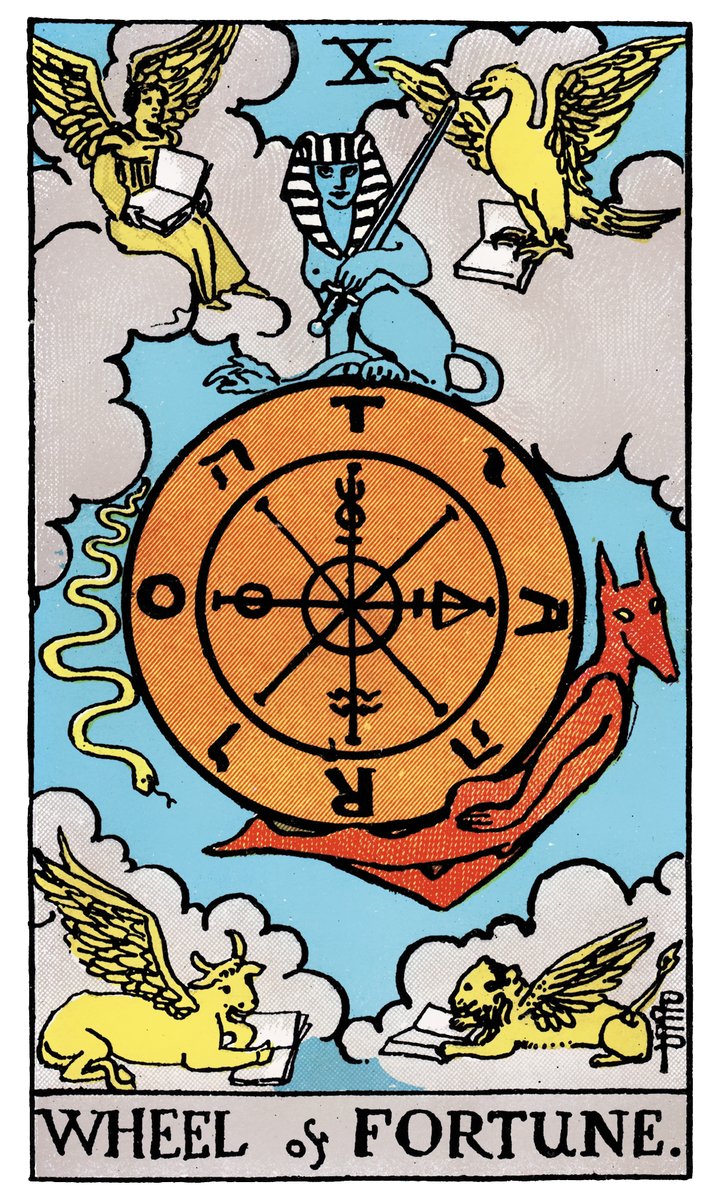
Wheel of Fortune
cycles, change, a turning point
Upright, reversed and contextual meaning →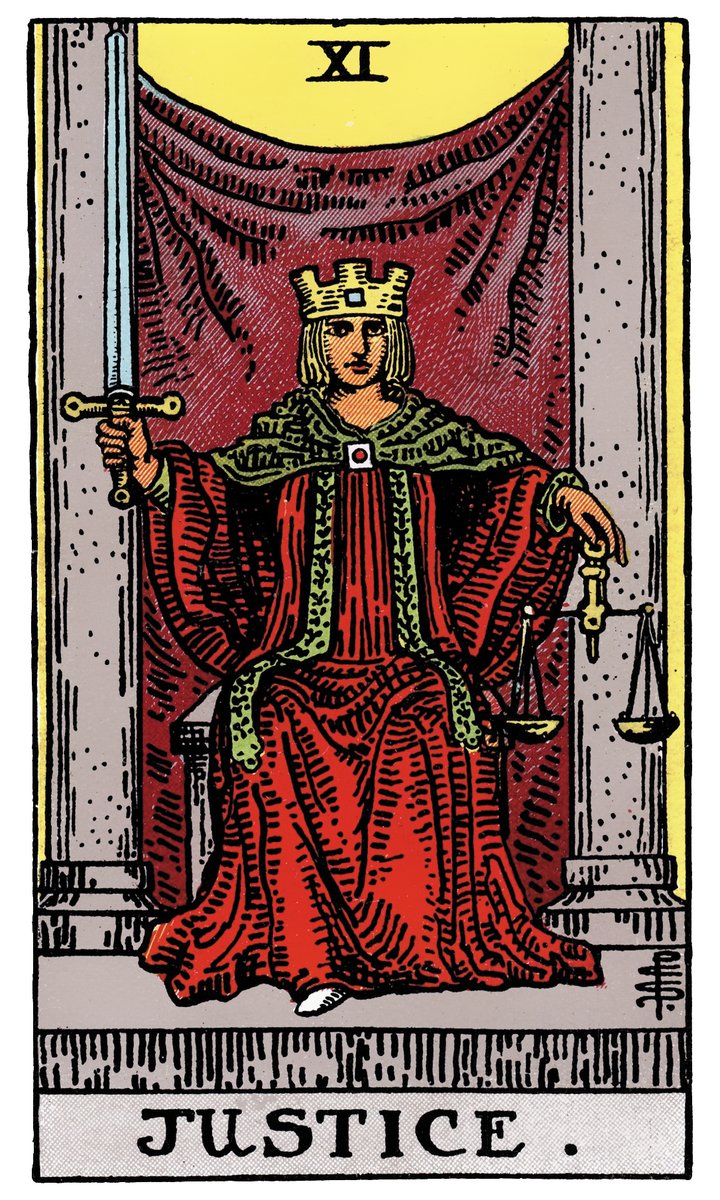
Justice
fairness, accountability, consequences
Upright, reversed and contextual meaning →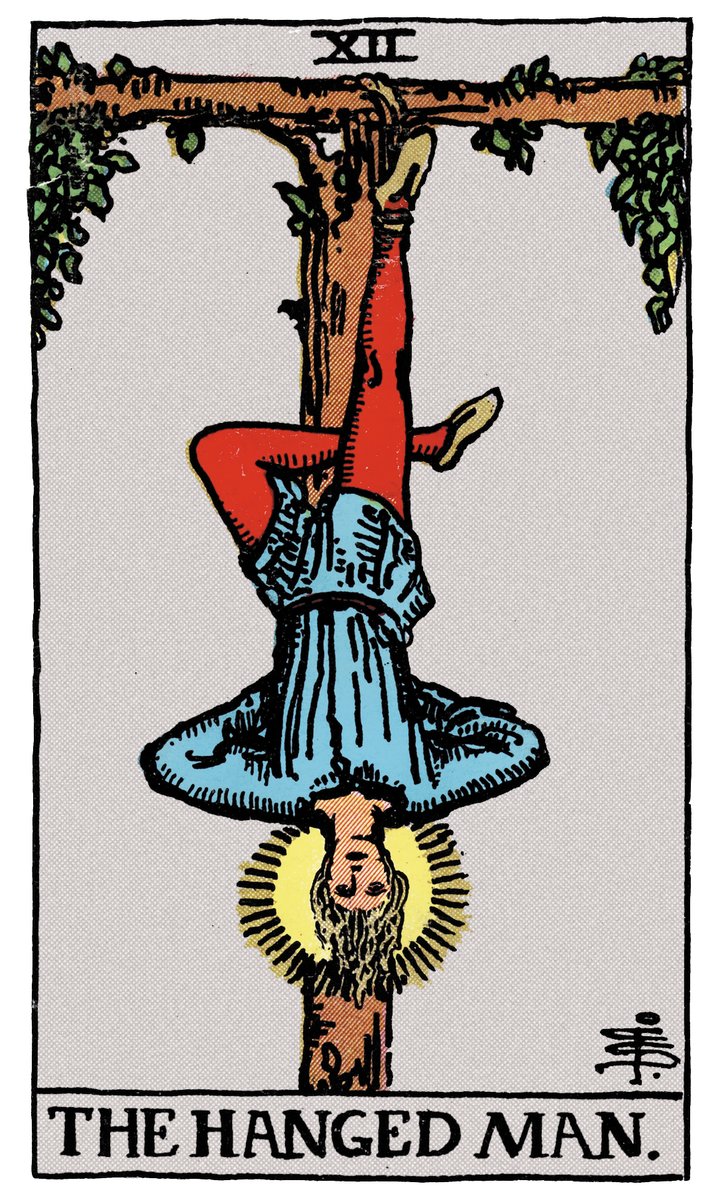
The Hanged Man
pause, surrender, a different perspective
Upright, reversed and contextual meaning →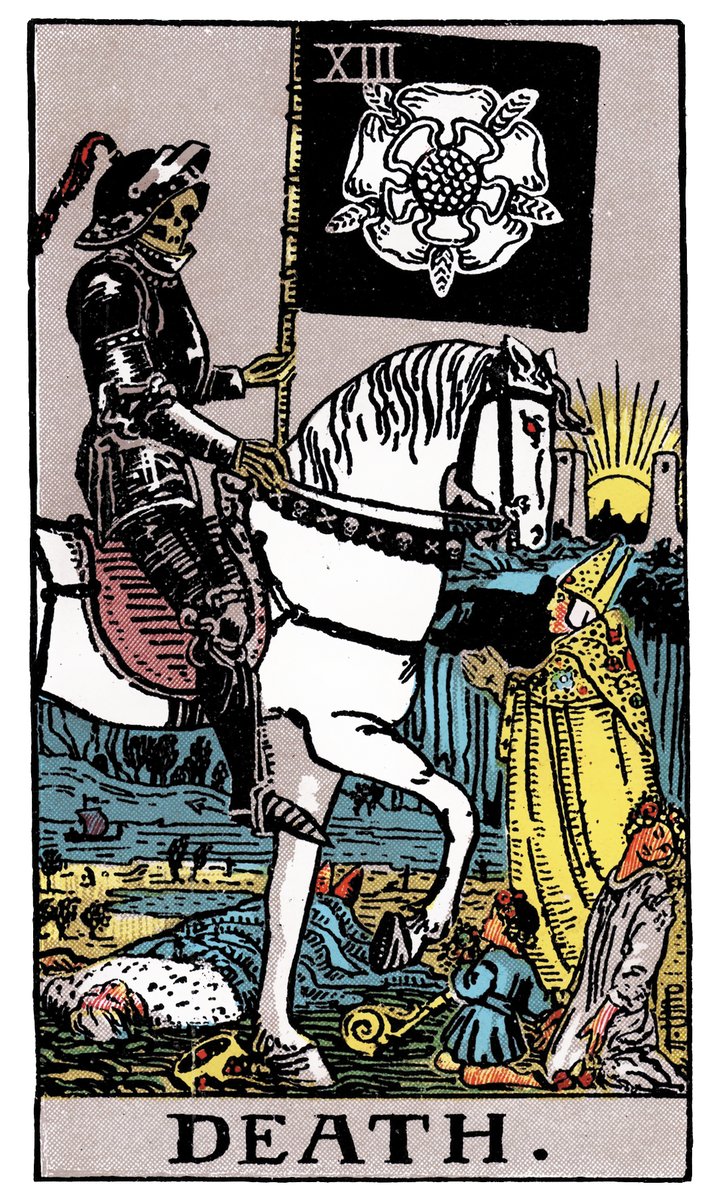
Death
ending, transition, making room for renewal
Upright, reversed and contextual meaning →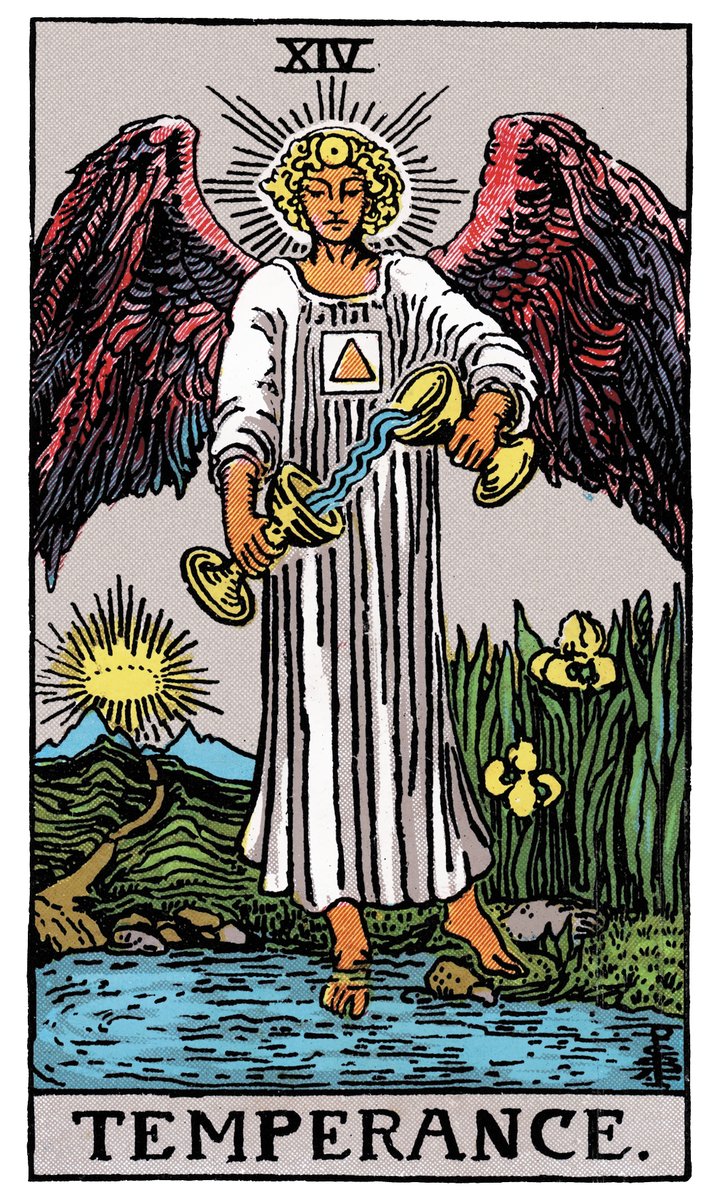
Temperance
balance, integration, patient adjustment
Upright, reversed and contextual meaning →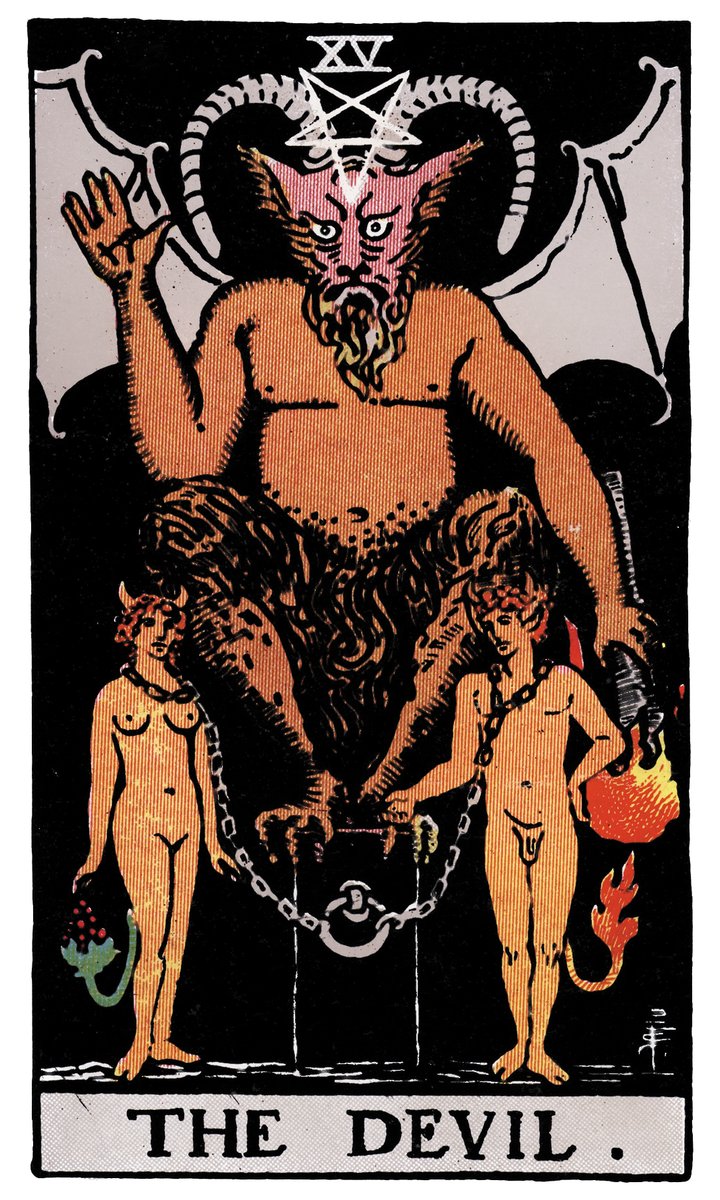
The Devil
attachment, compulsion, examining constraints
Upright, reversed and contextual meaning →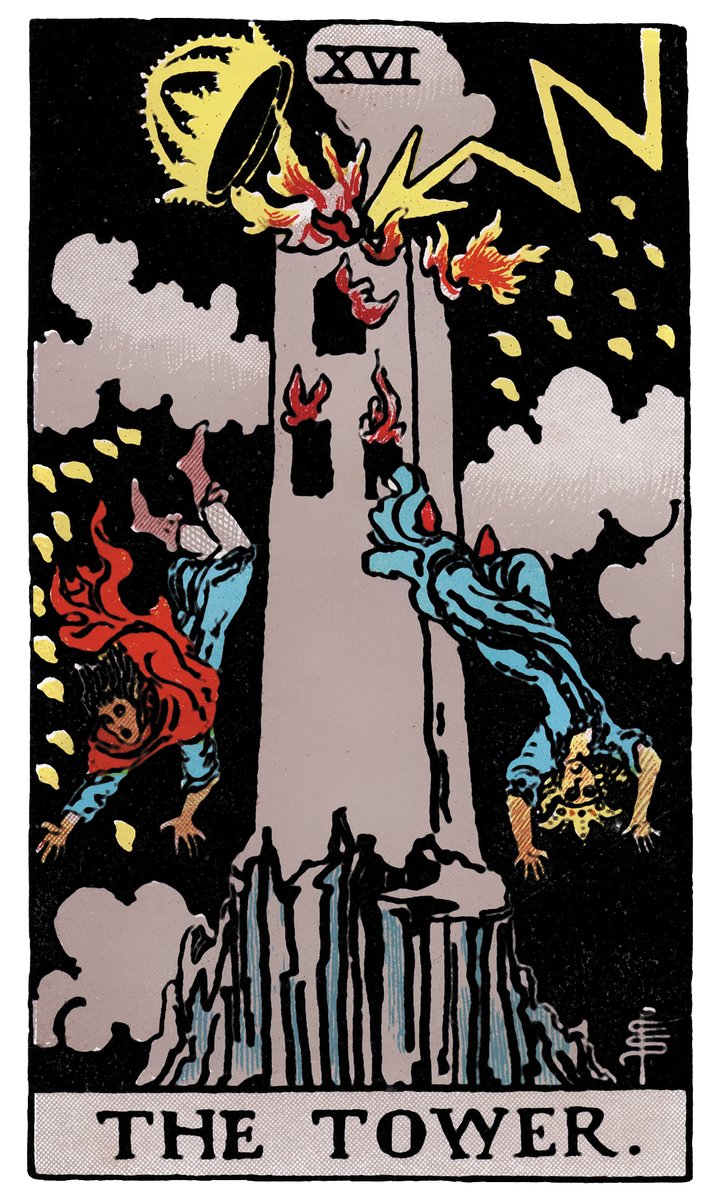
The Tower
disruption, revelation, unstable foundations
Upright, reversed and contextual meaning →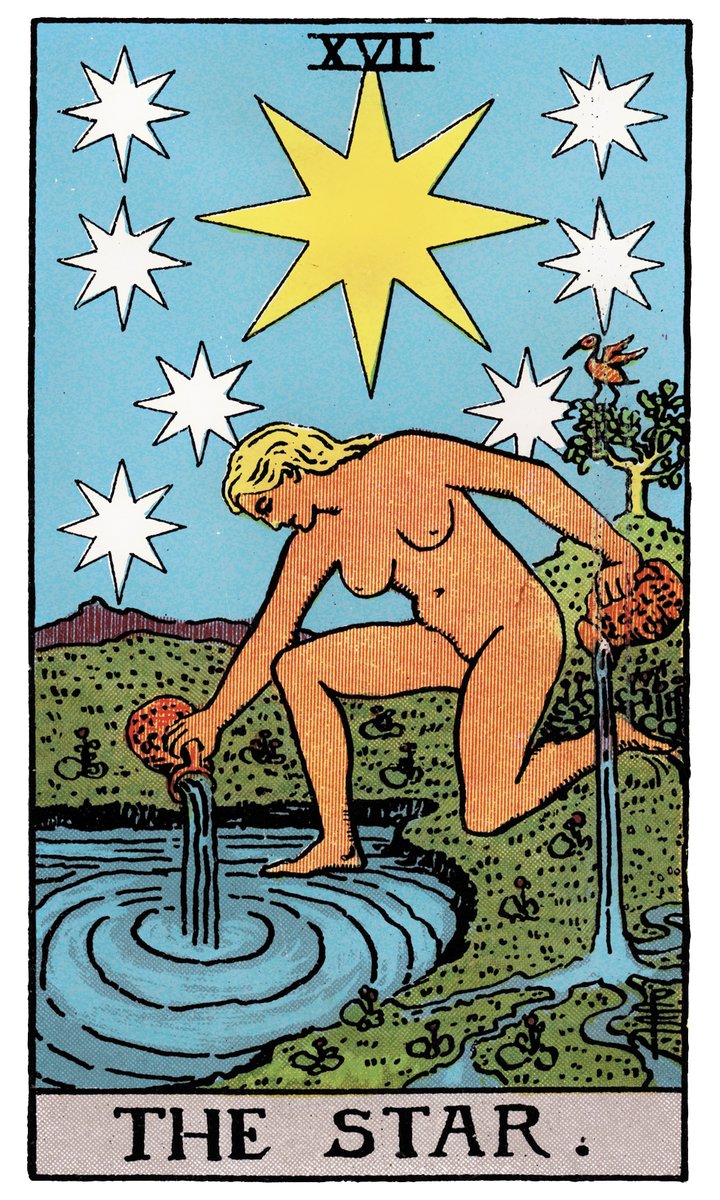
The Star
hope, renewal, trust in a longer process
Upright, reversed and contextual meaning →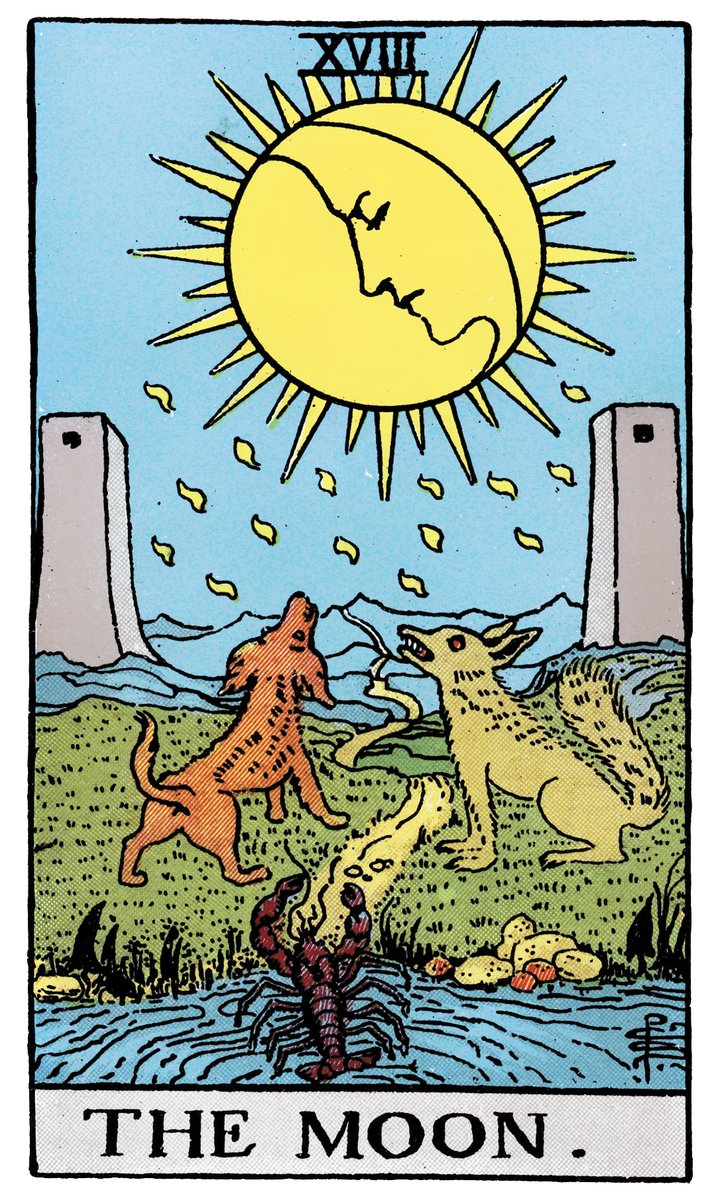
The Moon
uncertainty, dreams, emotions beneath the surface
Upright, reversed and contextual meaning →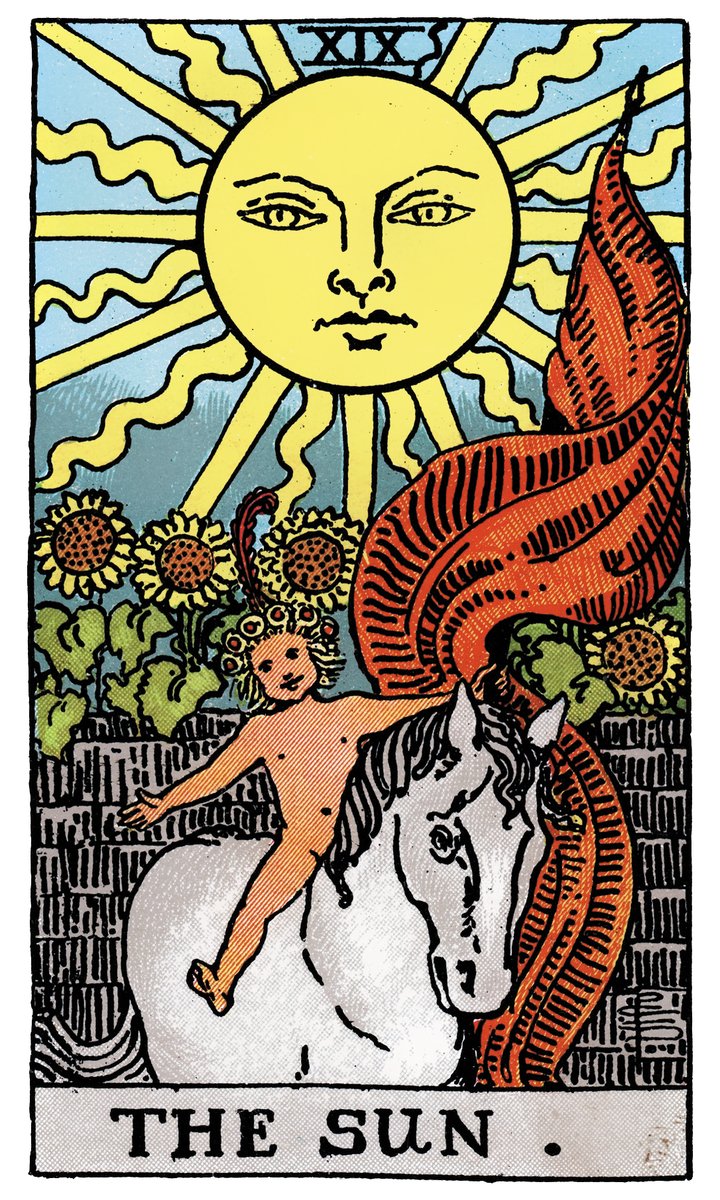
The Sun
joy, vitality, openness, clarity
Upright, reversed and contextual meaning →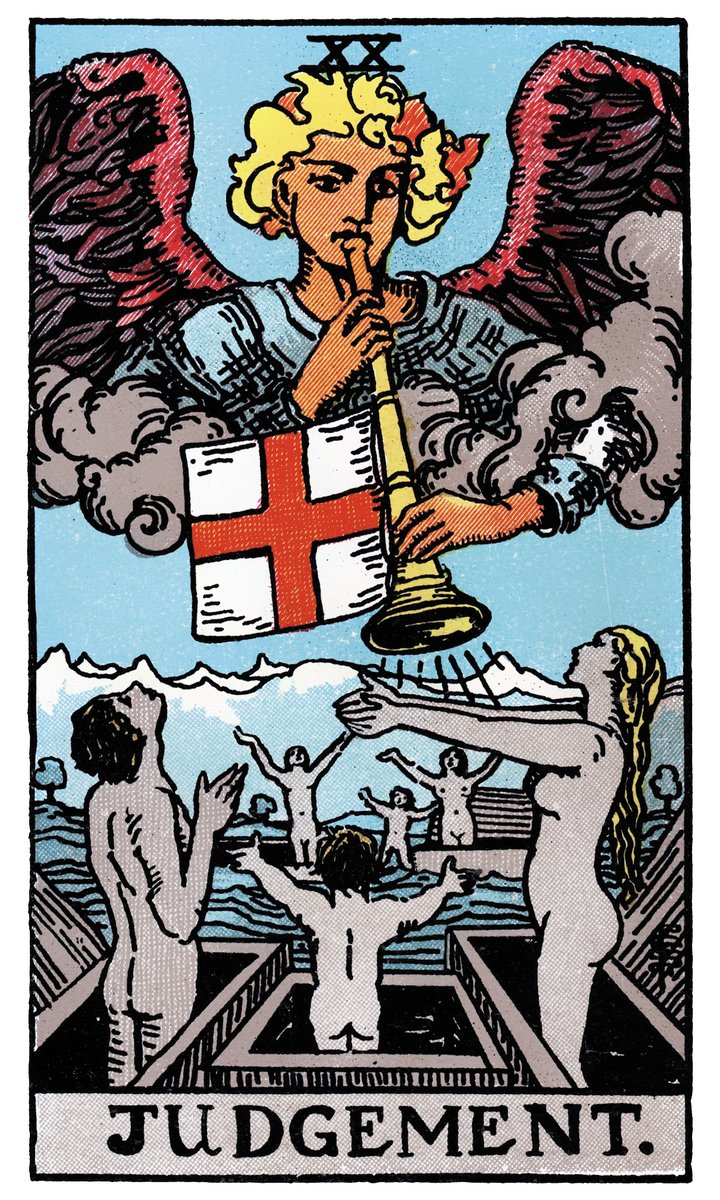
Judgement
awakening, self-evaluation, answering a call
Upright, reversed and contextual meaning →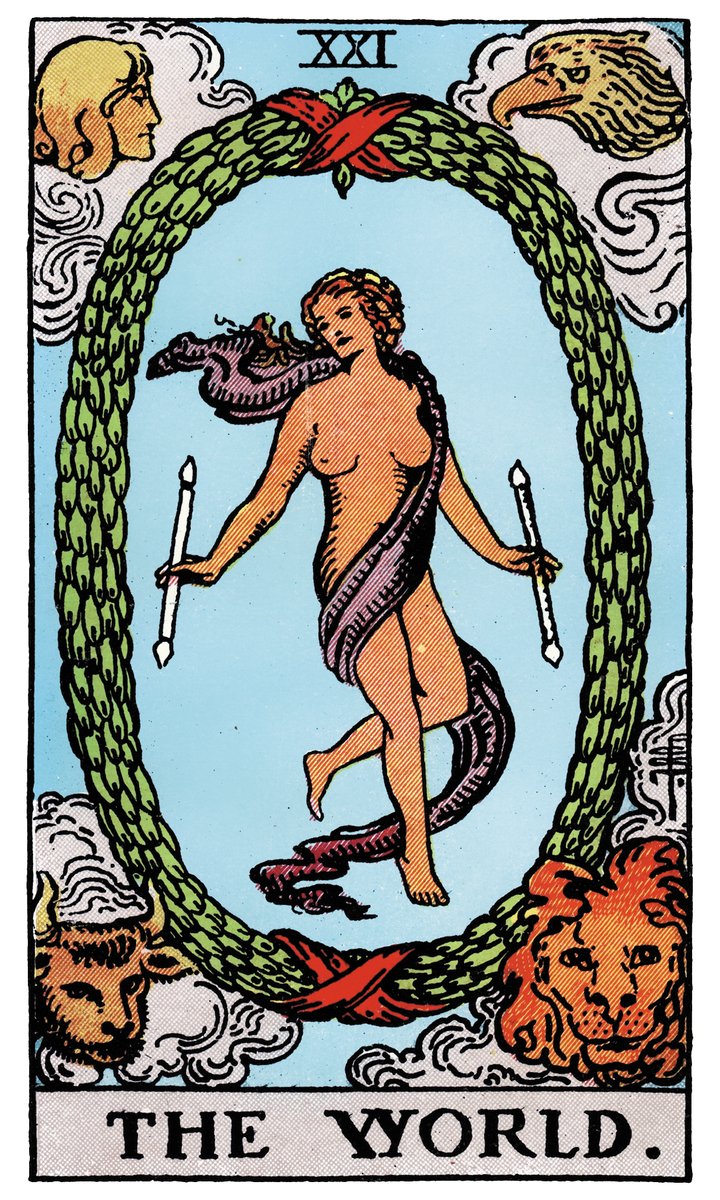
The World
completion, integration, a meaningful milestone
Upright, reversed and contextual meaning →What does “trumps” mean in tarot?
In tarot-reading guides, “trumps” is often used for the Major Arcana group. Tarot is also used for card games, where rules and the Fool’s role can differ. This guide concerns reflective readings with the Rider–Waite–Smith deck, not instructions for a particular card game.
Major Arcana versus Minor Arcana
The Major Arcana often frame a broad theme or a turning point. The 56 Minor Arcana offer suit-based scenes and court cards that can bring the question into everyday detail. “Major” does not mean that a card is objectively more powerful or that a reading with only Minor Arcana is unimportant.
For example, Justice may frame a question about fairness and responsibility. The Six of Pentacles can bring attention to a particular exchange of support. Both can be relevant to the same situation at different levels.
How to interpret a Major Arcana card
Start with the actual question. The Fool as advice before a small creative experiment may invite curiosity; it does not tell you to ignore risks or abandon responsibilities. A dramatic card image is not literal evidence of danger.
If several Major Arcana appear, ask whether the broad themes connect. Do not infer that the situation is fated or that you have lost your ability to choose. You still need practical information and, where relevant, professional advice.
Learn the process in how to read tarot cards, browse the full 78-card dictionary, or practice with a single-card reading.