 Fate & Stars
What do Wands mean in tarot?
Wands often explore initiative, effort, ambition and the way energy is expressed. The individual scene matters: beginning a project, defending a position and carrying too much are different experiences within the same suit.
The Wands suit at a glance
Wands is one of the four Minor Arcana suits in a standard 78-card deck. It has an Ace through Ten and four court cards: Page, Knight, Queen and King. In many contemporary reading traditions it is associated with fire, used as a symbolic connection with drive and expression rather than a physical prediction.
Words such as Staves, Rods or Batons appear in some decks. A different name does not guarantee identical artwork or interpretation; check the deck you are using rather than assuming every term is interchangeable.
All 14 Wands tarot cards
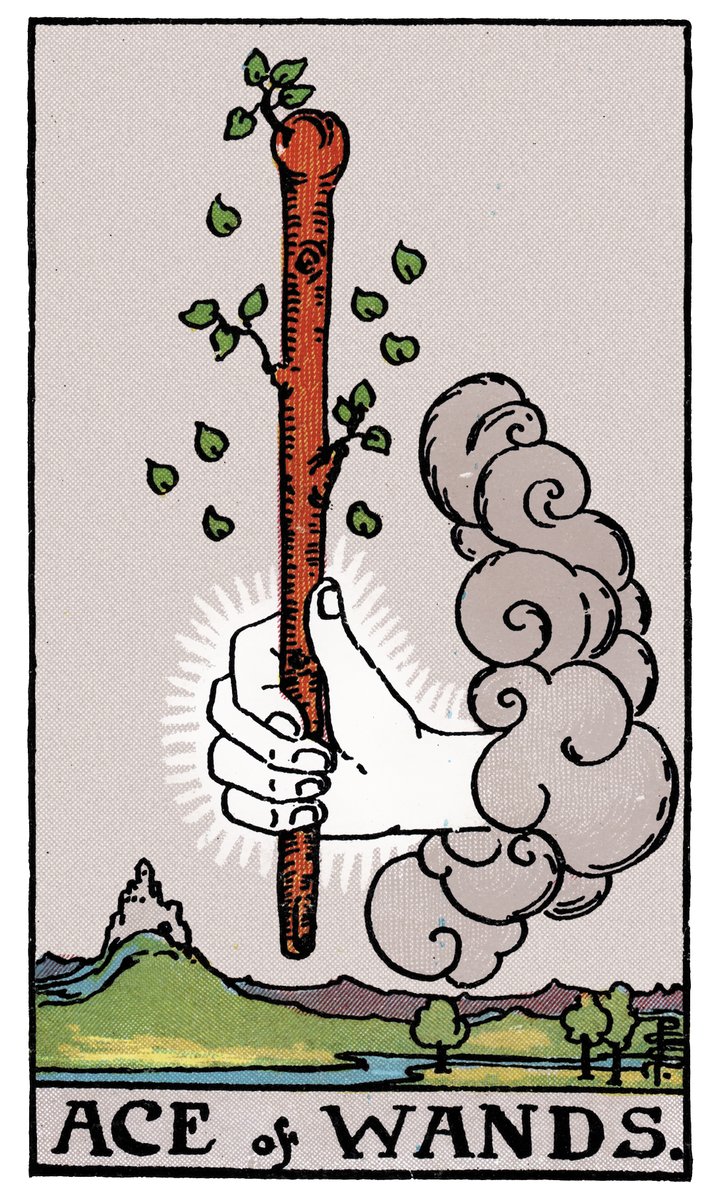
Ace of Wands
inspiration, new initiative
Upright, reversed and contextual meaning →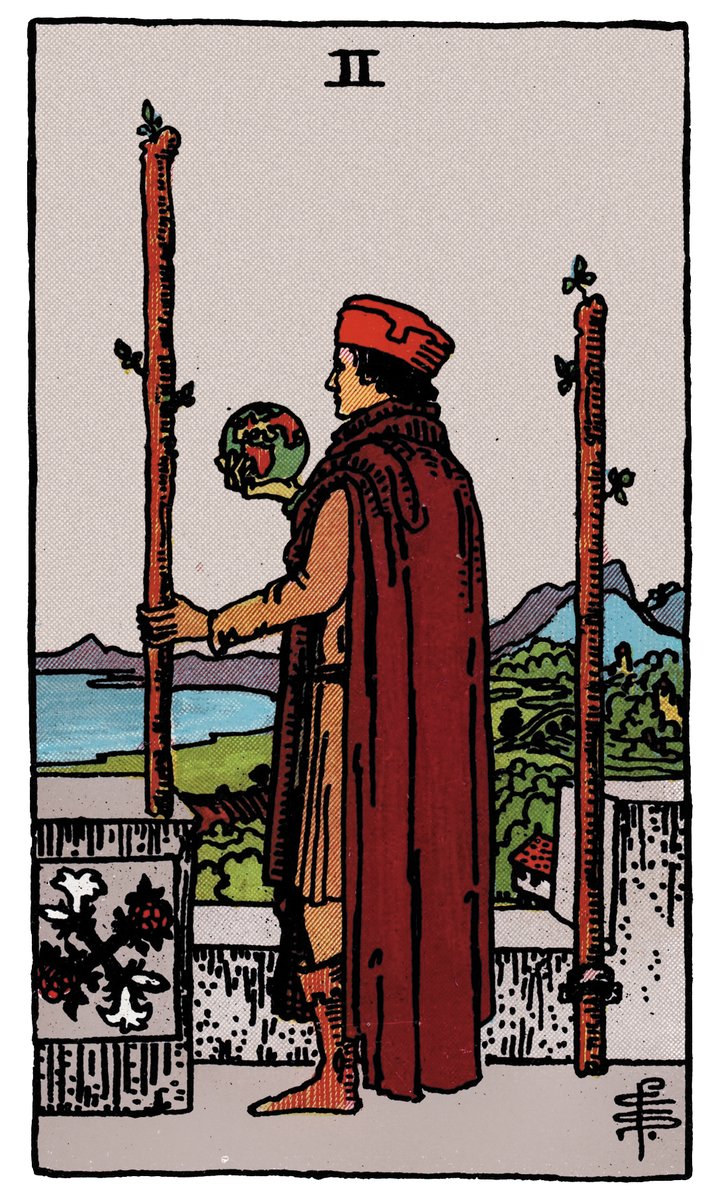
Two of Wands
planning, considering possibilities
Upright, reversed and contextual meaning →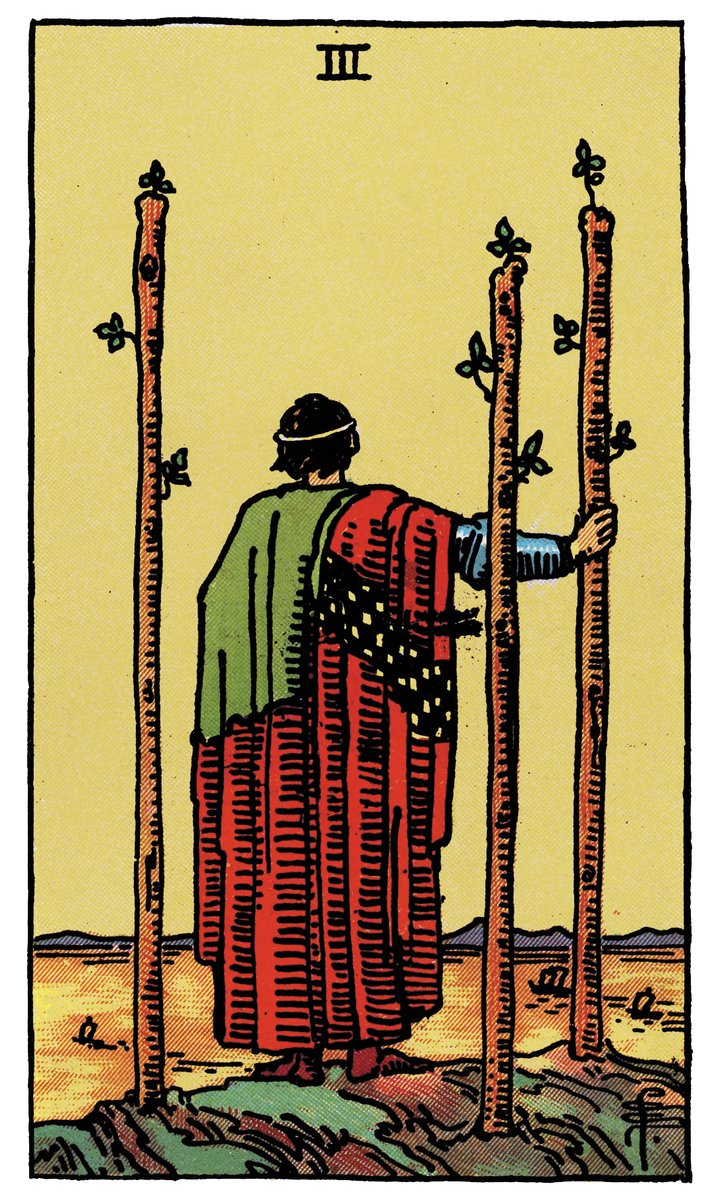
Three of Wands
expansion, looking ahead
Upright, reversed and contextual meaning →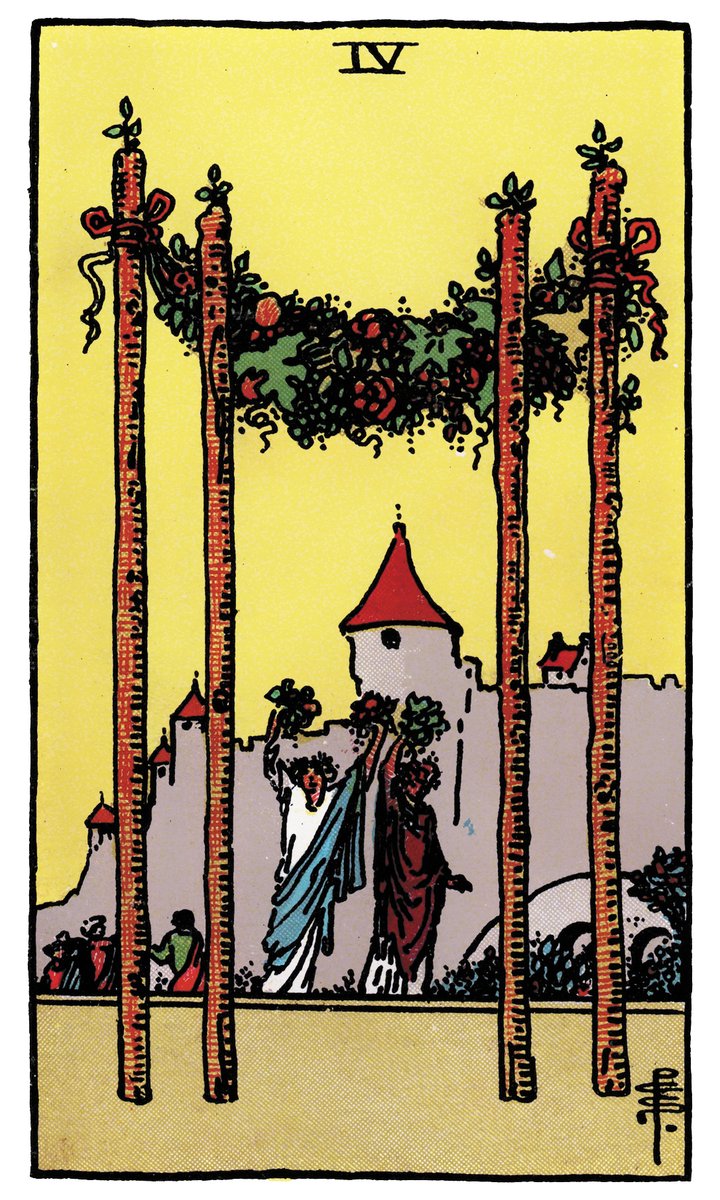
Four of Wands
celebration, belonging, stable foundations
Upright, reversed and contextual meaning →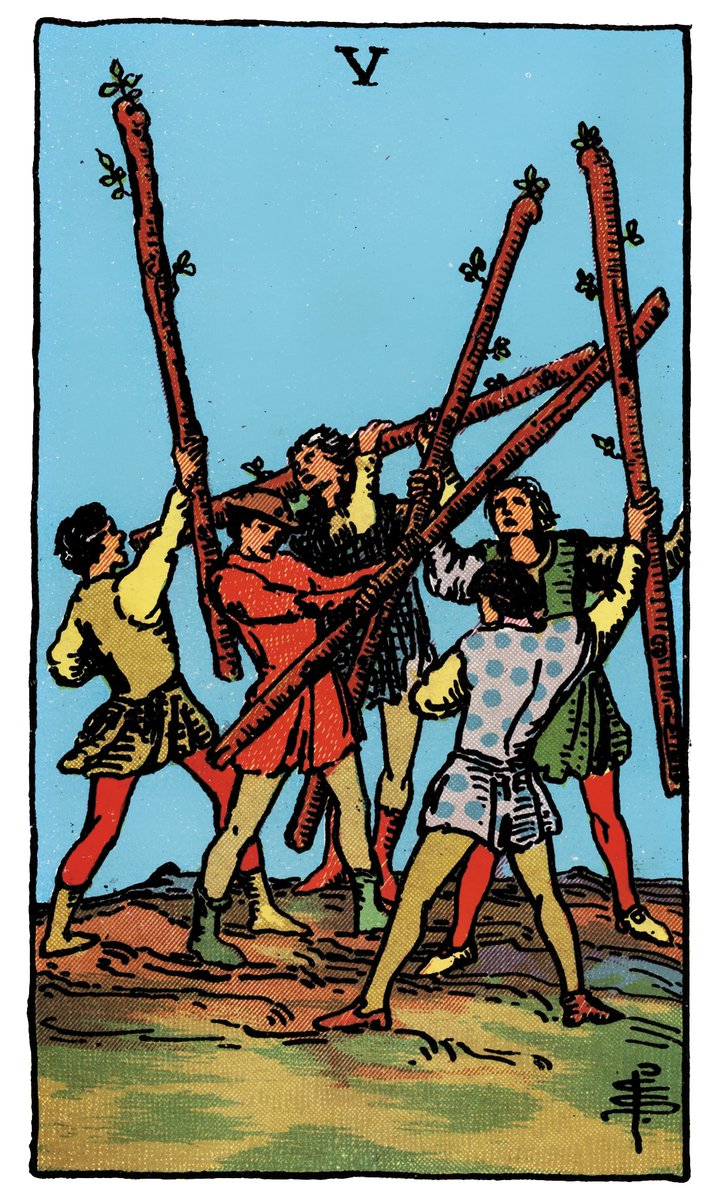
Five of Wands
competition, friction, differing views
Upright, reversed and contextual meaning →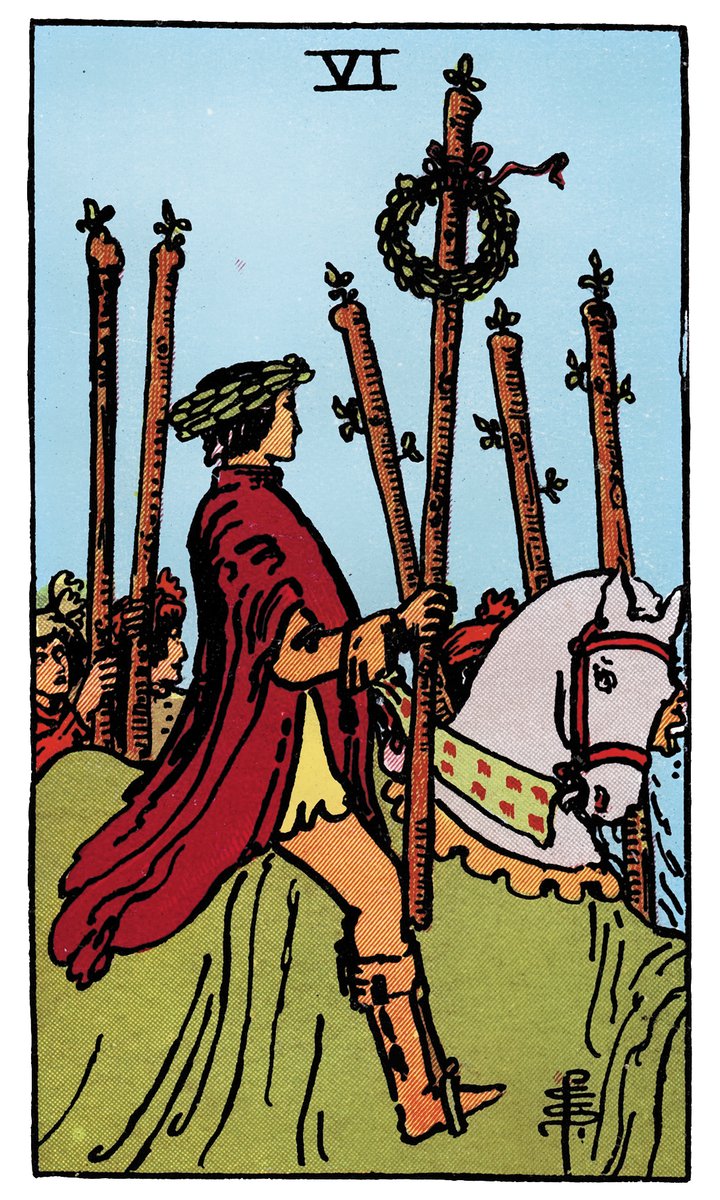
Six of Wands
recognition, progress, confidence
Upright, reversed and contextual meaning →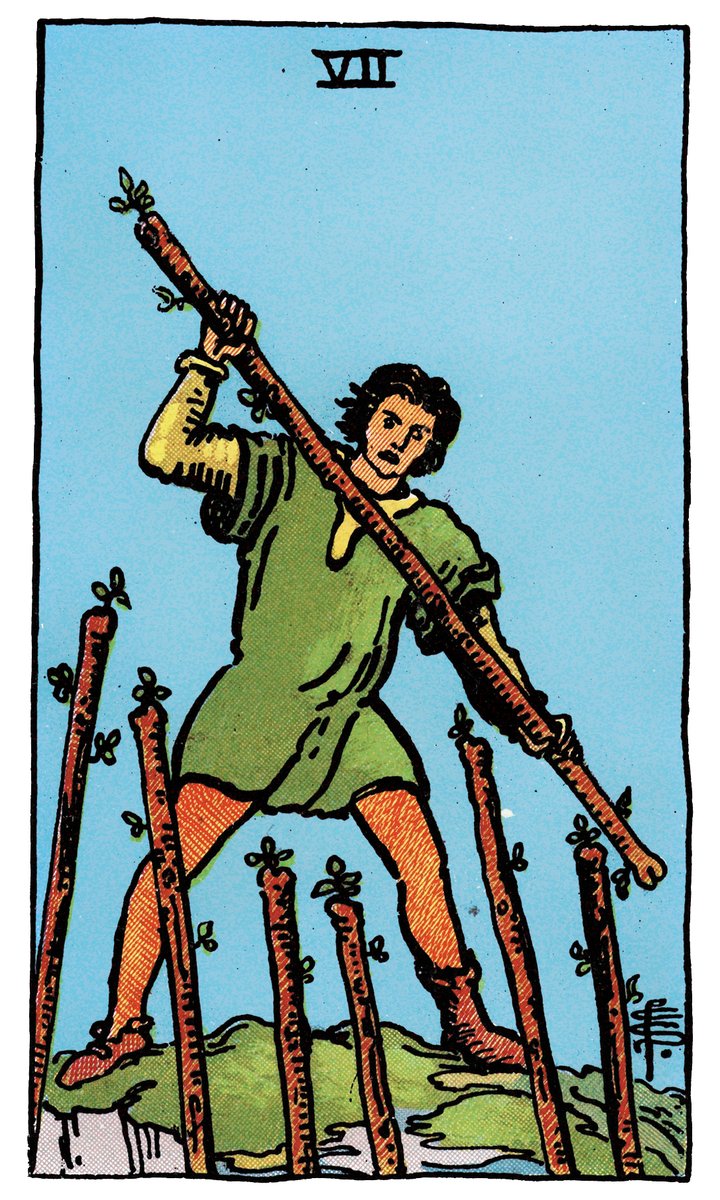
Seven of Wands
defending a position, perseverance
Upright, reversed and contextual meaning →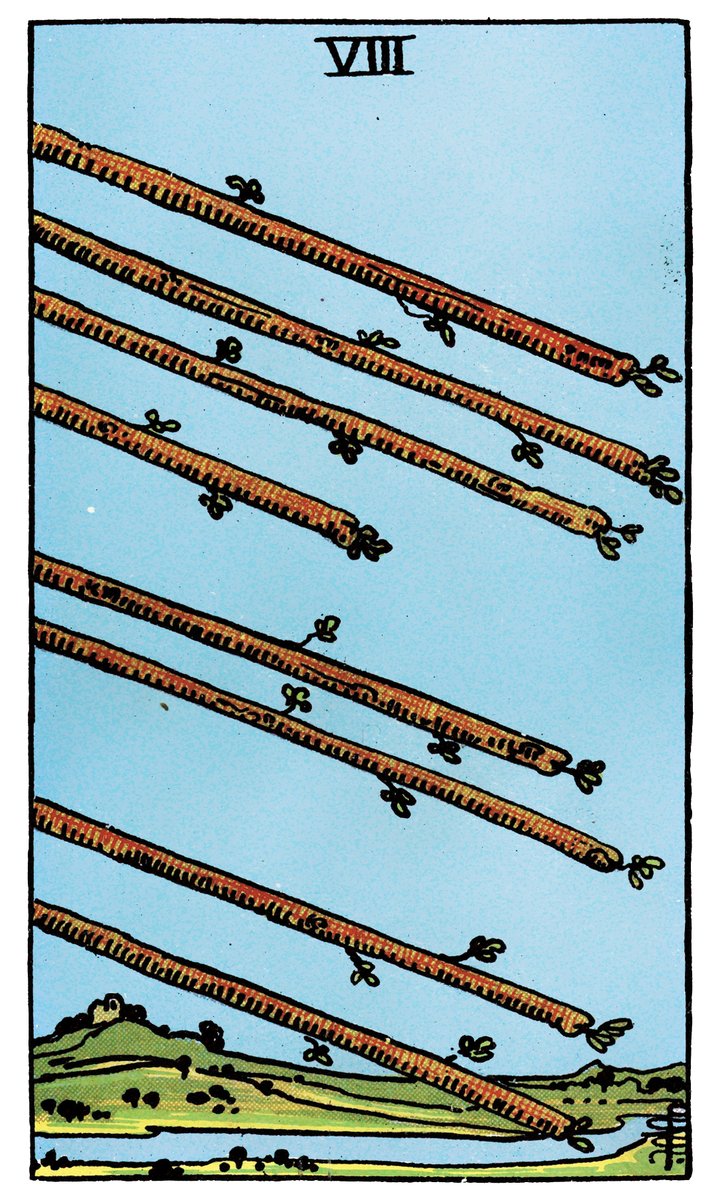
Eight of Wands
momentum, communication, rapid change
Upright, reversed and contextual meaning →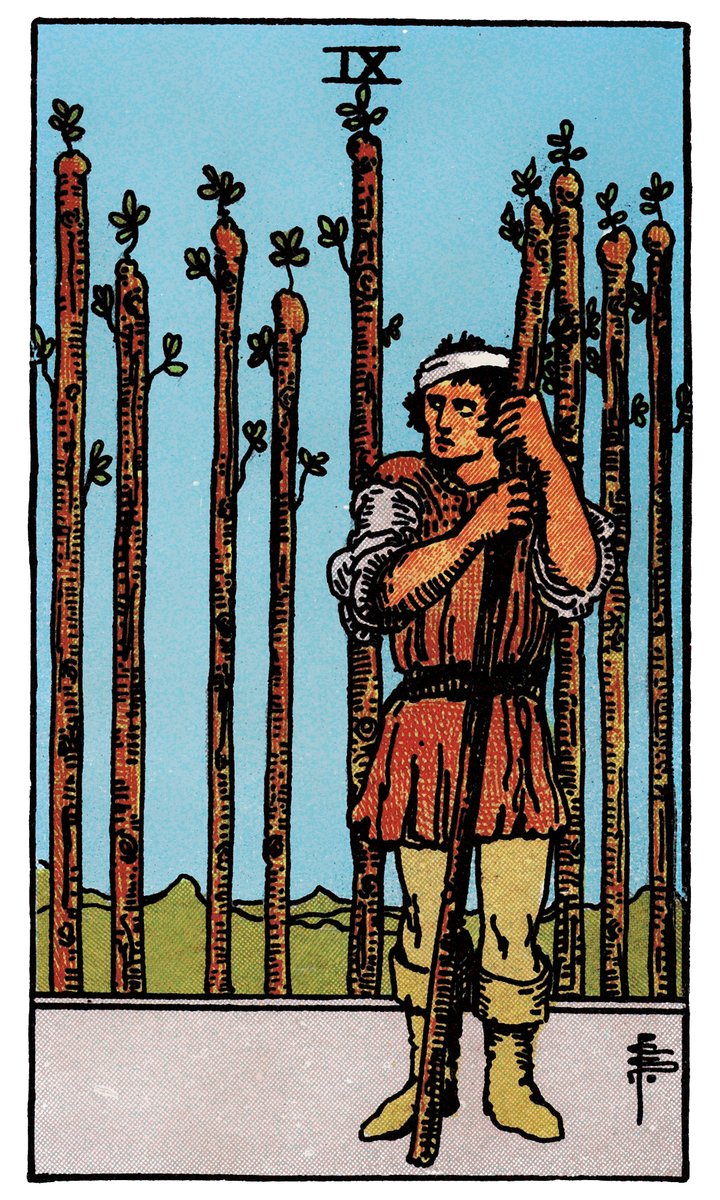
Nine of Wands
resilience, boundaries, persistence
Upright, reversed and contextual meaning →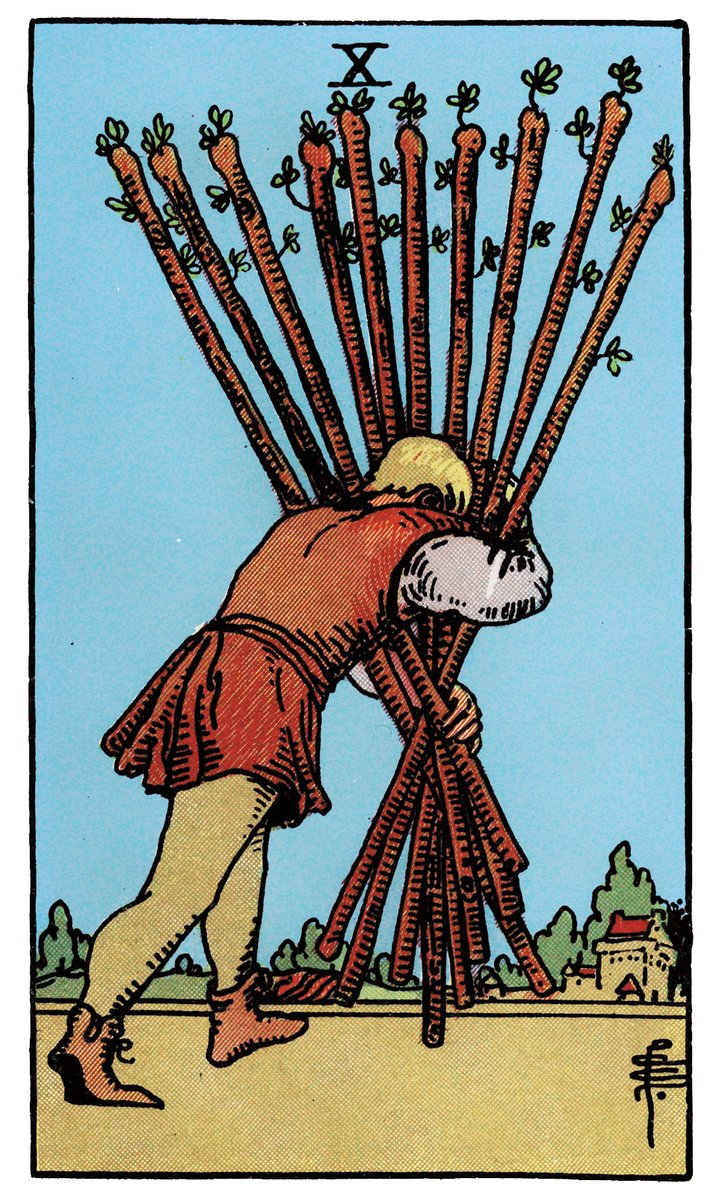
Ten of Wands
burden, responsibility, overcommitment
Upright, reversed and contextual meaning →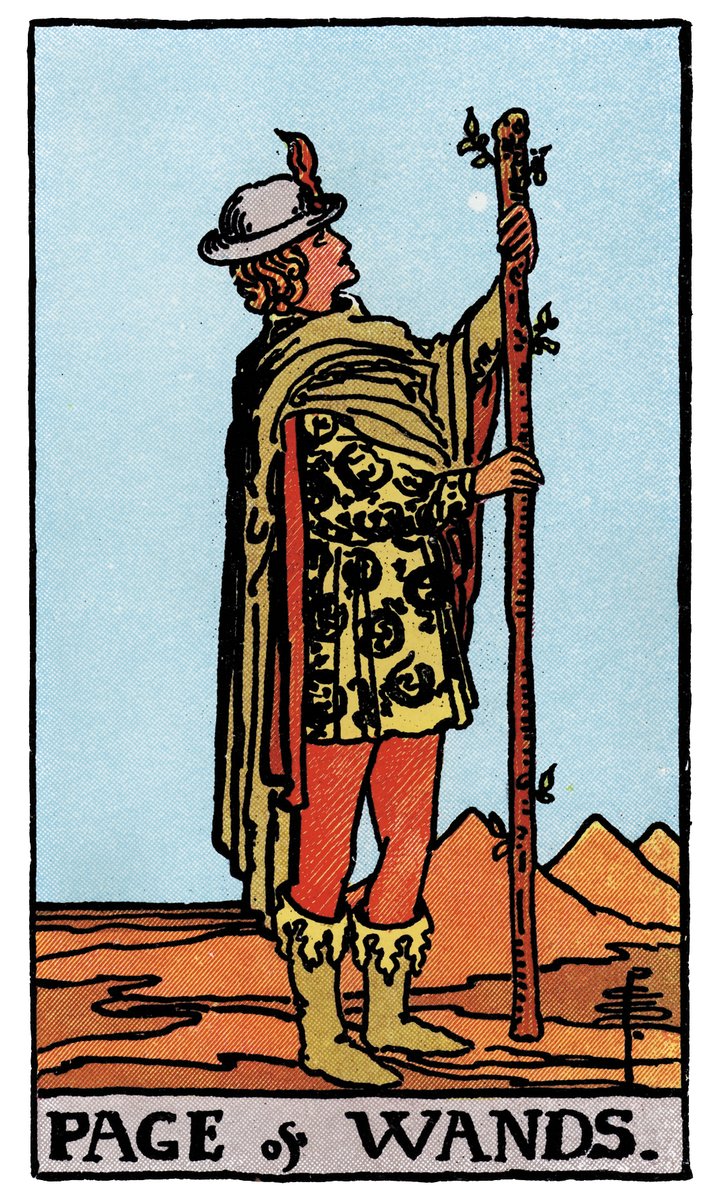
Page of Wands
curiosity, discovery, enthusiasm
Upright, reversed and contextual meaning →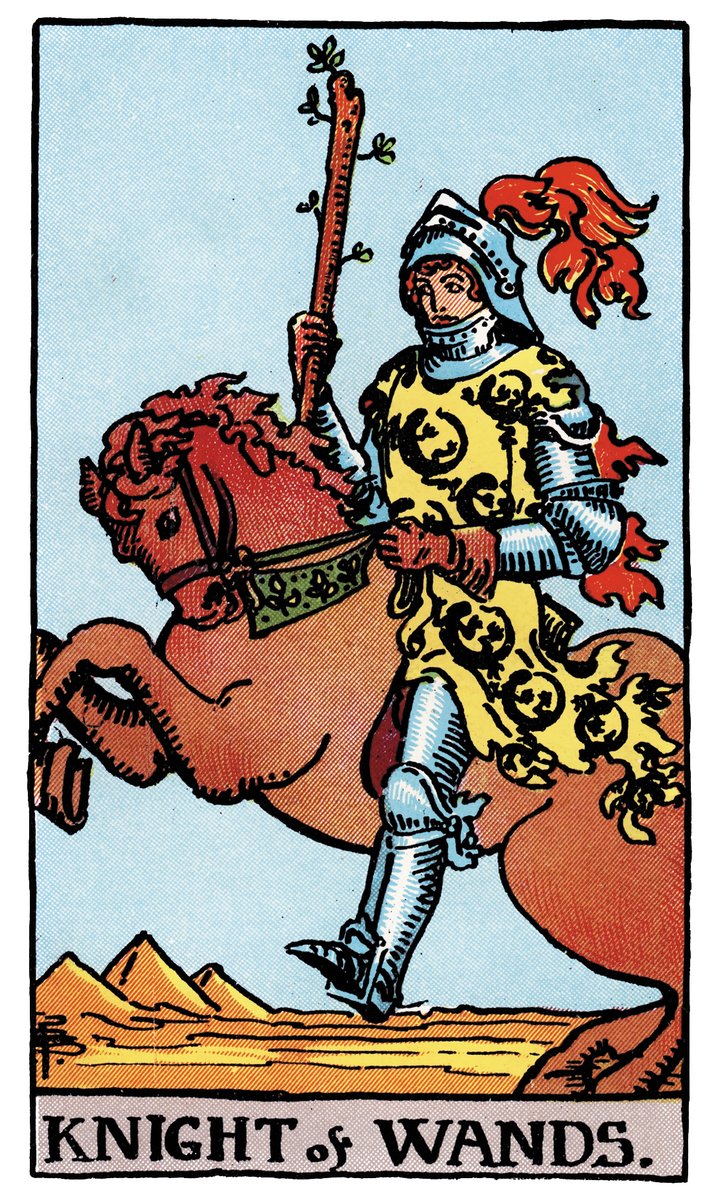
Knight of Wands
bold action, adventure, passion
Upright, reversed and contextual meaning →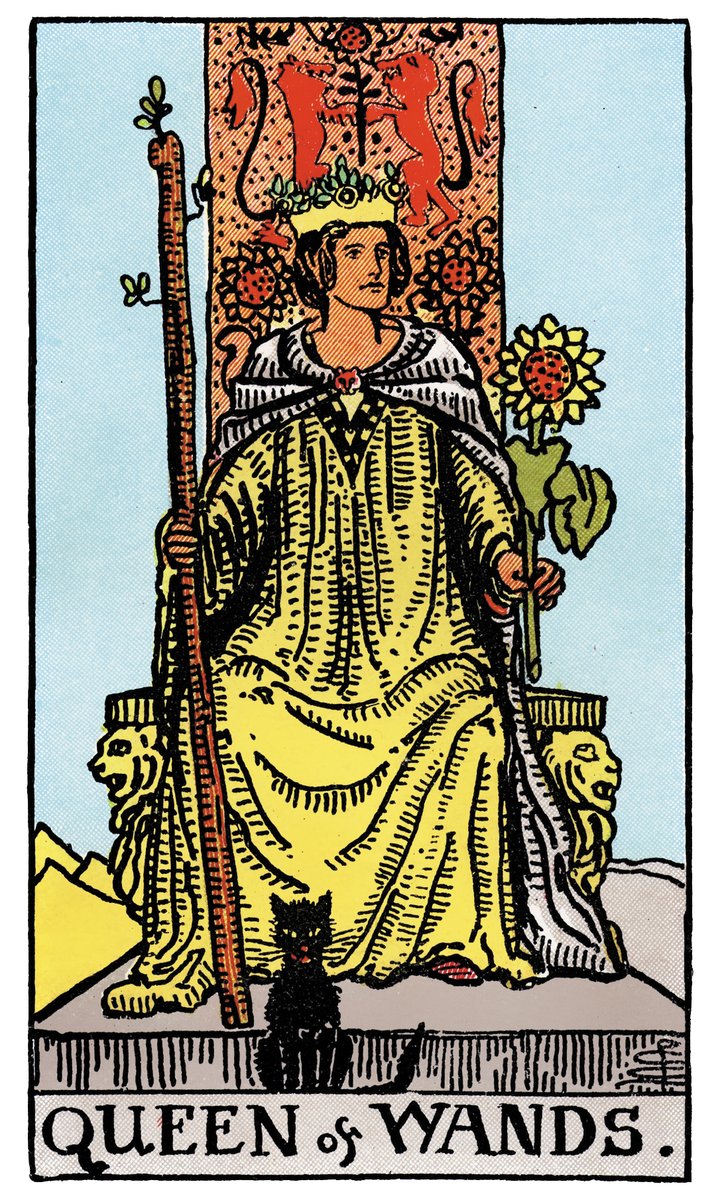
Queen of Wands
confidence, warmth, independence
Upright, reversed and contextual meaning →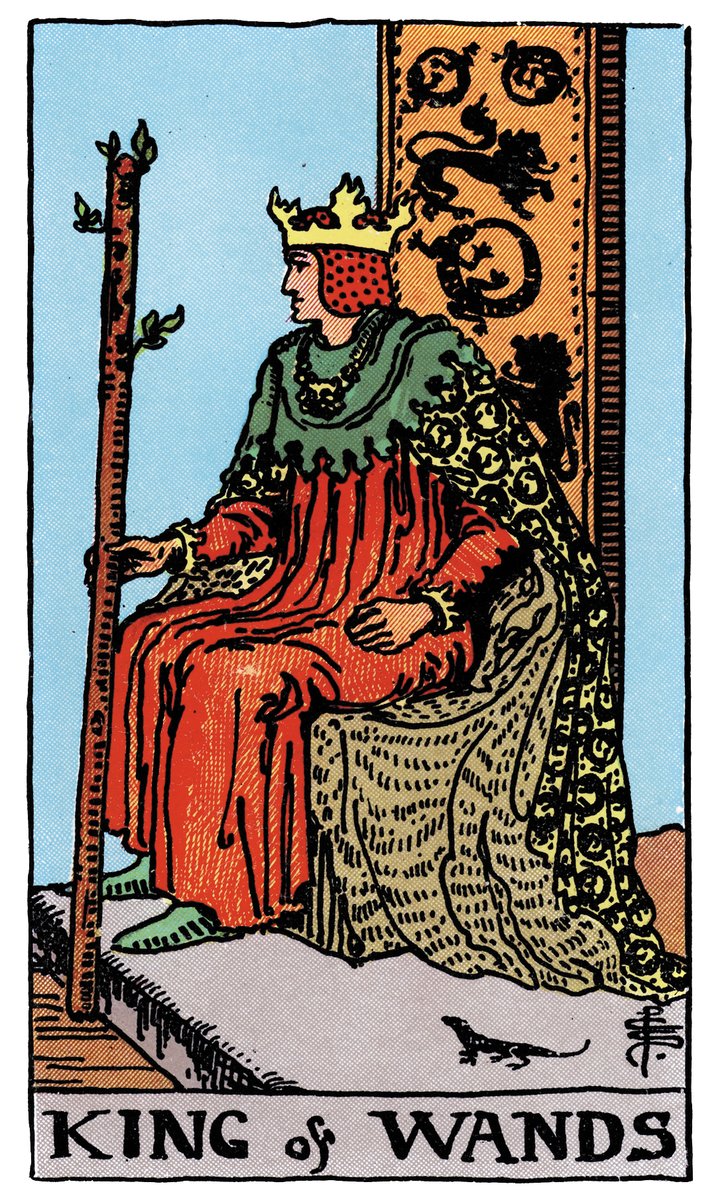
King of Wands
vision, leadership, entrepreneurship
Upright, reversed and contextual meaning →How to read Wands in a specific question
In a work question, Wands may invite you to examine initiative, pace and competing priorities. In a relationship question, it may concern how enthusiasm is expressed or how two people manage friction. The suit alone does not establish attraction, a job offer or a future event.
For example, the Five of Wands can highlight competing efforts, while the Ten of Wands brings attention to the accumulated load. The question is not simply “Is Wands good?” but “What kind of effort is pictured here?”
Do reversed Wands always mean blocked energy?
No. Delay or difficulty can be useful possibilities to examine, but a reversal can also invite an inward focus, a change of pace or a different interpretation in a particular tradition. The Four of Wands guide explains one example where historical and contemporary reversed meanings differ.
Compare Wands with the other suits
- Wands often ask how energy, initiative and effort are being used.
- Cups commonly bring attention to emotional experience and connection.
- Swords often concern thought, communication and difficult distinctions.
- Pentacles commonly concern practical resources, routines and tangible work.
These are starting points, not rigid compartments. Explore the complete card dictionary for each card’s own scene and context.
To reflect with a card rather than choose one to study, try a one card tarot reading. To practice a layout, see beginner tarot spreads.