A next step at work
Name the action you are considering. The reading can highlight a direction and considerations; it cannot replace checking the practical consequences.
 Fate & Stars
A QUESTION · A POSSIBLE DIRECTION
Ask a clear question. Choose your cards and explore a yes, no or unclear tendency with context.
1 free reading per day, shared across all reading tools; resets at 00:00 UTC. Subscribe for unlimited readings, follow-up questions and clarification cards.
For reflection and personal insight. Your choices shape what comes next.
Choose a decision you can name, add relevant context and include a timeframe if it matters. The answer describes a tendency in the cards, rather than a certainty about what will happen.
Name the action you are considering. The reading can highlight a direction and considerations; it cannot replace checking the practical consequences.
Focus on your own action and the boundaries involved, rather than asking the cards to confirm another person’s thoughts.
Ask about a concrete next step, such as requesting feedback or testing an idea, instead of a guaranteed future outcome.
If both options need examination, compare them in a Two Choices Tarot spread instead of compressing the decision into yes or no.
Comparing two alternatives? Use the two choices tarot spread for Option A, Option B and advice.
If you have already drawn a card, its guide explains how we read the answer in context. Start with the Knight of Swords, King of Swords, King of Cups or King of Pentacles. A card's label is a reading convention, not evidence of what will happen.
An illustrative reading created by our editors. Your cards and interpretation will be different.
THE QUESTION
“Is this a good time to share my creative project?”
One card · Likely direction
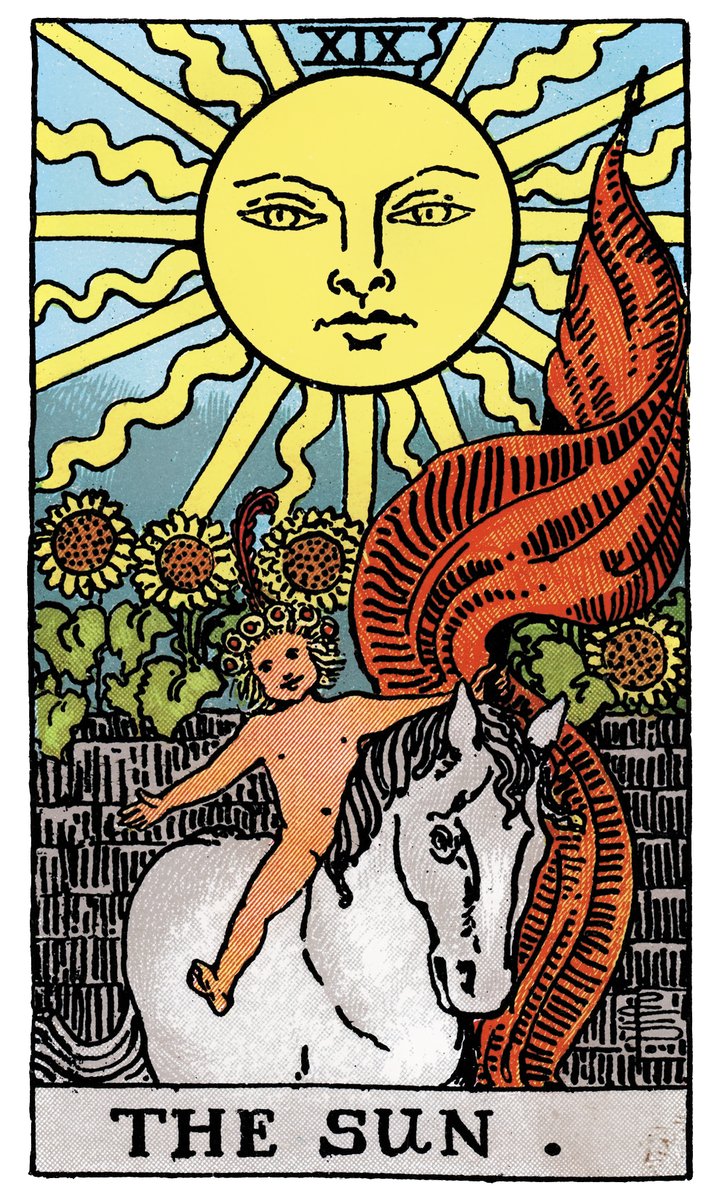
Likely yes. In this tool’s interpretation method, the upright Sun supports openness, visibility and confidence. It suggests sharing what you have made, while leaving the response and outcome uncertain.
Show a small, finished version to someone whose feedback you trust. Ask one focused question about what could be improved.
Continue with the same cards: “What should I keep in mind when asking for feedback?”
This tool uses upright and reversed cards to form a consistent yes, no or unclear tendency. A reversed card contributes uncertainty; clarification cards do not change the original answer. The reader explains the context and what you can consider next.
One card offers a focused starting point. Three cards explore current energy, an influence and a likely direction. Choose the deeper reading when a question needs more context.
Use a specific question that can be answered with yes or no, and name the situation. If your question needs a different format, the reader will help you rephrase it. You can also try the general AI tarot or Love Tarot tool.
Get to know the cards in the 78-card meanings library, or explore a different question with AI Tarot, Yes or No Tarot, Love Tarot, Daily Tarot or card drawing.
Questions, card selection and the meaning of your answer.
The tool assigns each upright card a yes, no or unclear tendency. Reversed cards contribute uncertainty. In a three-card reading, yes and no contributions are combined; a balanced result is unclear. This is the tool’s interpretation method, not a universal rule shared by all tarot readers.
It means the drawn cards do not establish a clear tendency using this method. Read the context rather than forcing a yes or no. You may need more information, a narrower question or time to reflect before taking action.
One card gives a focused answer with its meaning. Three cards add the positions Current energy, Influence and Likely direction. Use three when you want to understand what supports or complicates the answer.
Repeated draws can encourage you to favor a preferred answer. Consider the first reading alongside the facts of your situation. With a subscription, a clarification card can explore a specific point; it does not replace or recalculate the original yes-or-no tendency.